Optimal Timing for Tick Control
Effective tick control depends on understanding the seasonal activity of ticks. Timing treatments appropriately can significantly reduce tick populations and minimize the risk of tick-borne diseases.
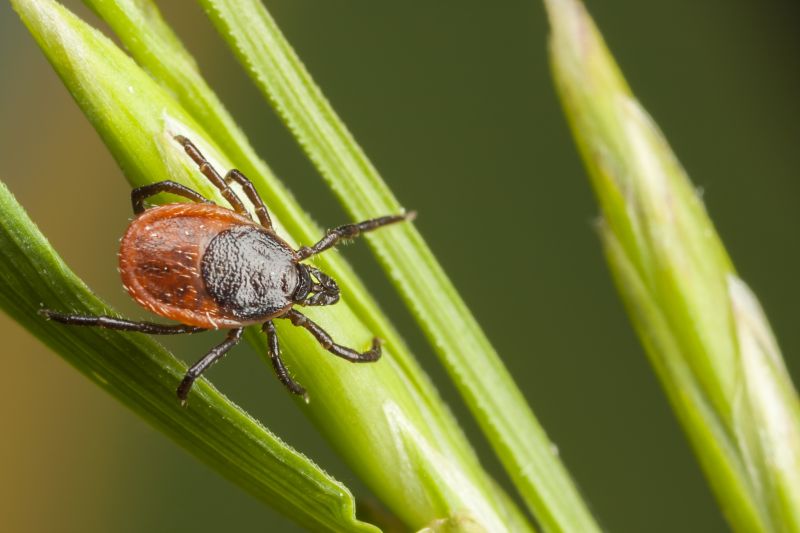
Ticks become active as temperatures rise, making spring an optimal time for control measures.

Continued control during summer helps prevent tick populations from expanding further.
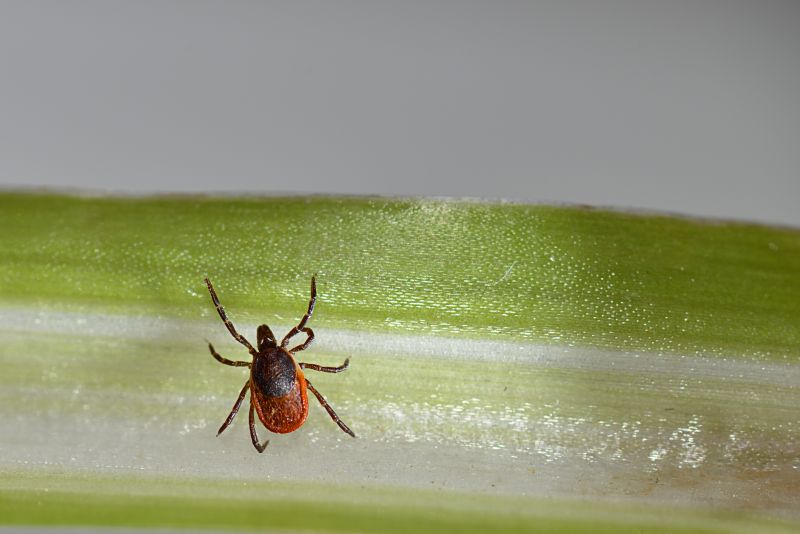
Early fall treatments can reduce tick numbers before they enter dormancy for winter.
Ways to make Tick Control Professionalses work in tight or awkward layouts.
Popular materials for Tick Control Professionalses and why they hold up over time.

Simple add-ons that improve Tick Control Professionalses without blowing the budget.
Ticks are most active during warmer months when temperatures are above 45°F. Their activity peaks in late spring and early summer, coinciding with increased outdoor activity. Implementing control measures during these periods can effectively reduce tick populations and lower the risk of bites and disease transmission.
Understanding tick lifecycle stages helps determine the best timing for control efforts, as each stage has different activity patterns.
Moisture and temperature influence tick activity, with higher activity during humid and warm conditions.
Early intervention during peak activity periods can prevent ticks from establishing in residential areas.
Regular monitoring during active months ensures timely application of control measures.

Applying treatments in early spring targets ticks before their peak activity.
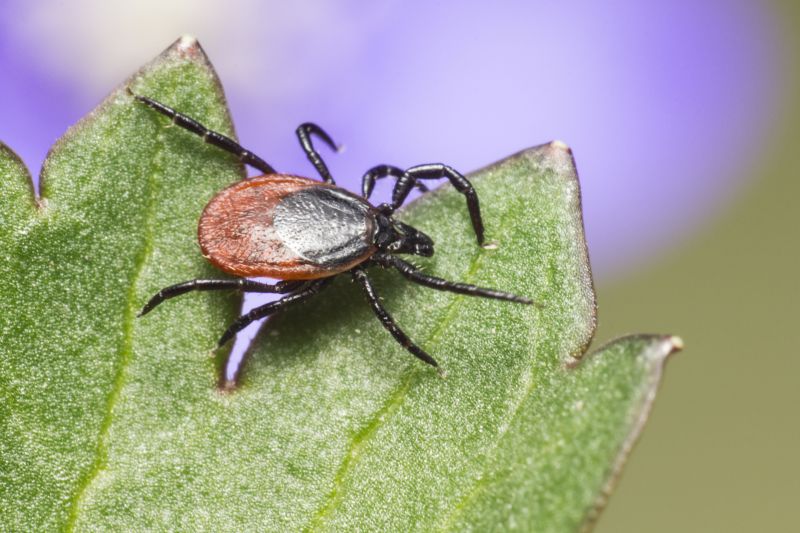
Summer control efforts help manage the highest tick activity period.

Late summer and early fall treatments can reduce overwintering populations.
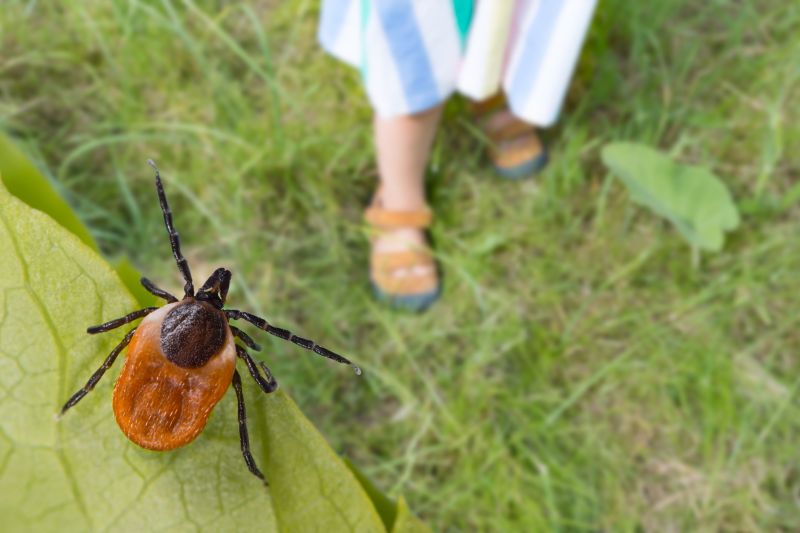
Maintaining yard and landscape conditions can deter tick habitats.
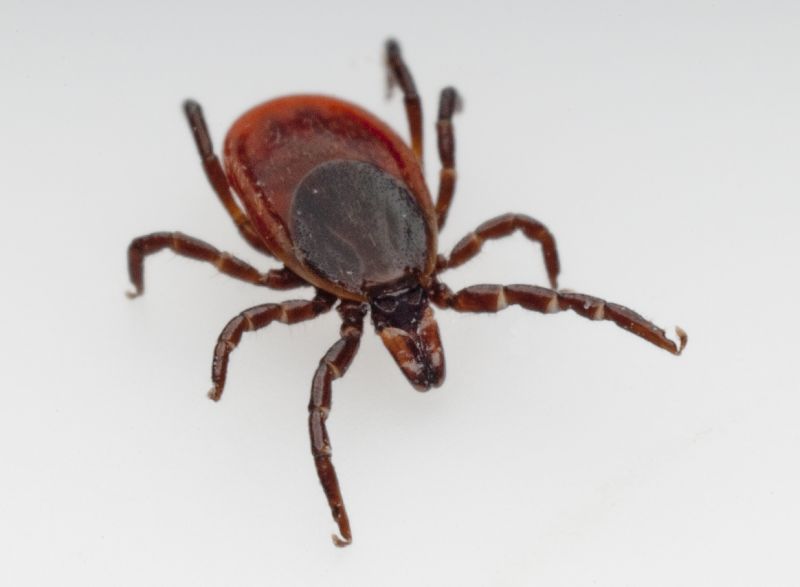
Scheduling outdoor activities outside peak tick hours minimizes exposure.

Follow-up inspections ensure control efforts remain effective.

Planning treatments based on local climate patterns optimizes results.
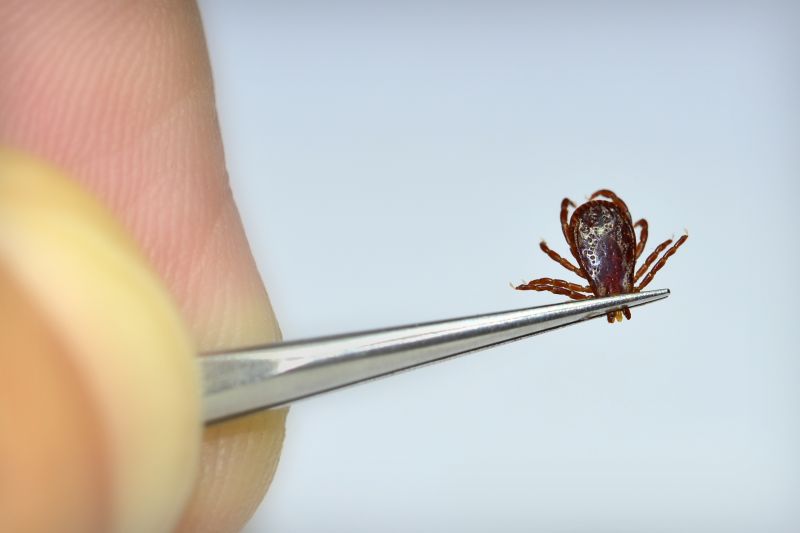
Providing information on tick activity seasons supports prevention efforts.
| Season | Recommended Control Timing |
|---|---|
| Spring | Early spring before peak activity |
| Summer | During peak activity months |
| Fall | Early fall to prevent overwintering |
| Winter | Minimal activity; focus on habitat management |
| Late Spring | Prepare for upcoming peak season |
| Early Summer | Intensify control measures |
| Late Summer | Maintain treatments to suppress populations |
| Early Fall | Reduce tick habitats before dormancy |
Timing is critical for effective tick management. Implementing control measures during the periods of highest activity ensures the best results. Continuous monitoring and adjusting strategies based on local climate and tick behavior can help sustain low tick populations and reduce the risk of tick-borne illnesses.

Visual representation of tick development stages and activity periods.
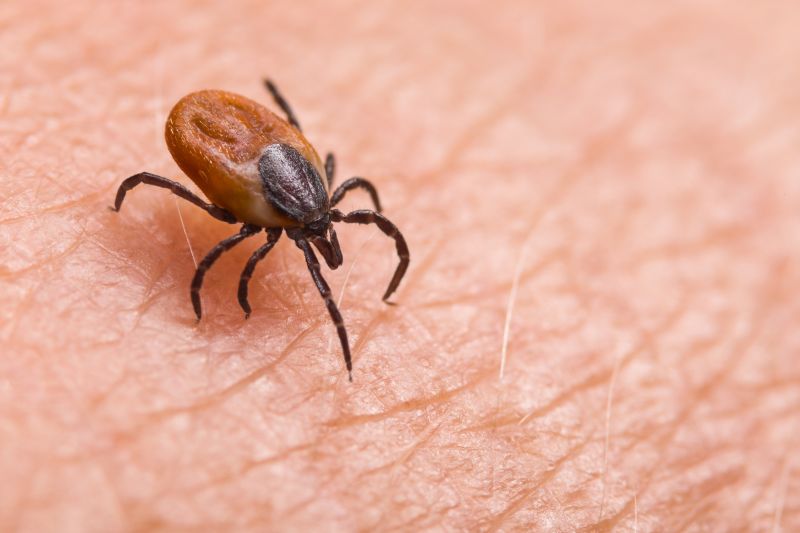
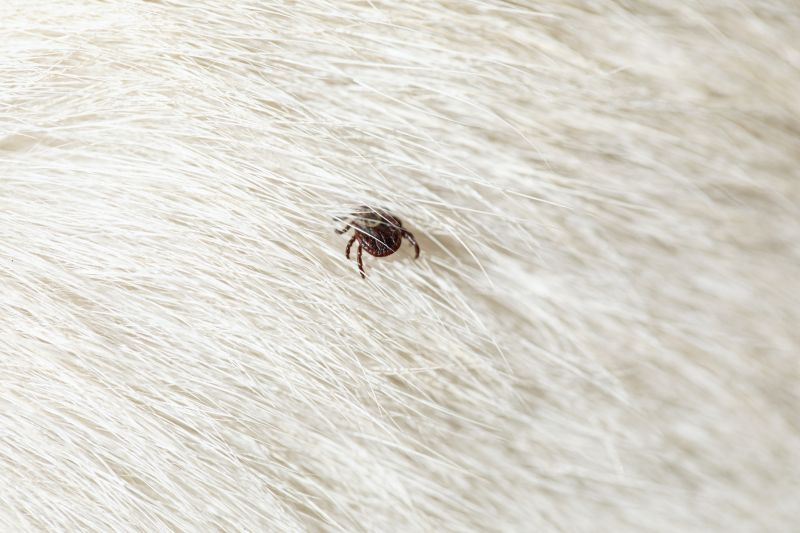
Common areas where ticks thrive, such as tall grass and wooded regions.

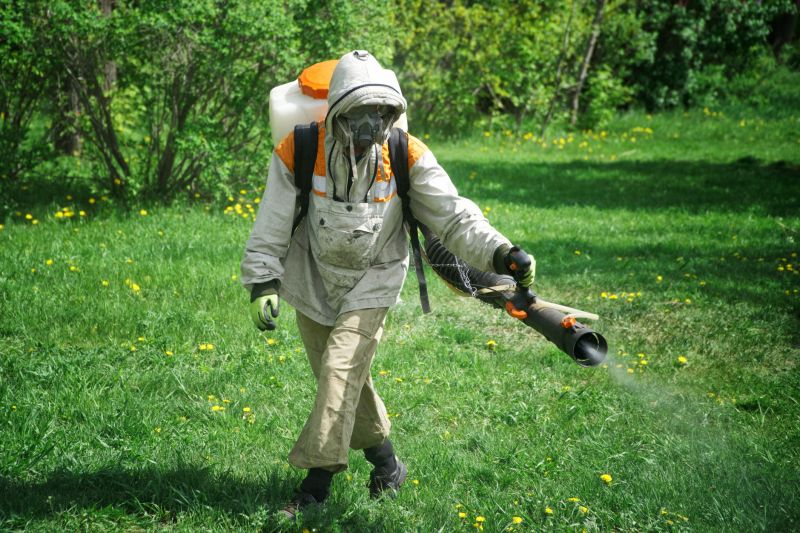
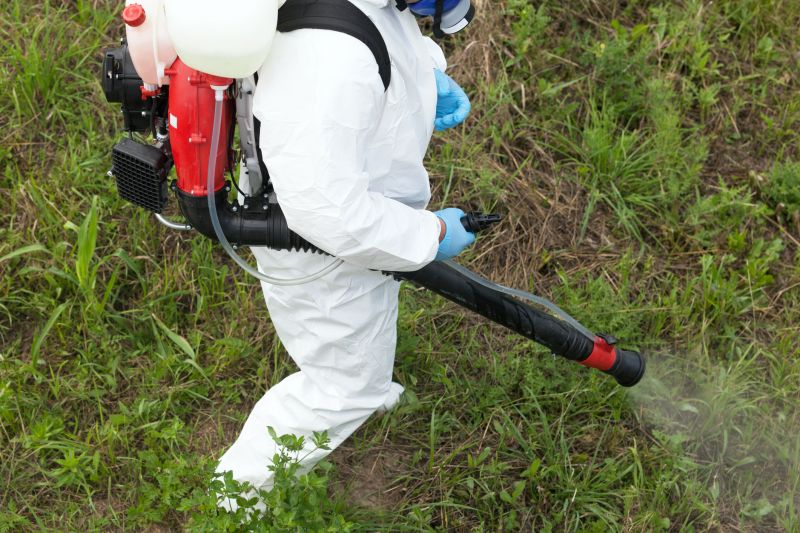
Proper techniques for applying treatments effectively.

Protective measures to reduce disease transmission.
High-end options that actually feel worth it for Tick Control Professionalses.

Finishes and colors that play nicely with Tick Control Professionalses.

Little measurements that prevent headaches on Tick Control Professionalses day.

A 60-second routine that keeps Tick Control Professionalses looking new.
Understanding the timing and behavior of ticks is essential for effective control. Implementing strategies during peak activity periods can significantly reduce tick populations and associated health risks. Regular treatments, habitat management, and awareness of seasonal trends contribute to successful tick management programs.
Interested in managing tick populations effectively? Contact a professional to develop a tailored treatment plan that considers local seasonal patterns and environmental conditions. Proper timing and execution can lead to a safer outdoor environment.